
Contents
- How to Implement Respiratory Rate Monitoring for Real Results
- Configuration Risks in Respiratory Rate Monitoring
- The Protocol for Effective Respiratory Rate Monitoring
- Choosing the Right Solution for Monitoring Respiratory Rate
- Pros & Cons of Respiratory Rate Monitoring
- Tools for Effective Monitoring
- Who Should Avoid This?
- Common Questions
- The Bottom Line
Monitoring respiratory rate is a critical health metric often overlooked in both clinical settings and personal health management. Understanding how to track this vital sign can lead to early detection of respiratory issues, improved chronic disease management, and enhanced overall wellness. The friction point lies in the complexity of accurately measuring respiratory rate and interpreting the data effectively. Many individuals and healthcare professionals lack the tools and knowledge to leverage respiratory rate monitoring for actionable insights.
The respiratory rate, typically measured in breaths per minute, can be influenced by various factors including age, fitness level, and underlying health conditions. A normal resting respiratory rate for adults ranges from 12 to 20 breaths per minute. Deviations from this range can indicate potential health issues, making it essential to monitor changes over time. However, traditional methods of measuring respiratory rate can be cumbersome and prone to error, especially in non-clinical settings.
Advancements in technology have made it easier to monitor respiratory rate using wearable devices and mobile applications. These tools not only provide real-time data but also integrate with other health metrics for a comprehensive view of an individual’s health. Understanding the nuances of these technologies can empower users to take proactive steps towards better health outcomes.
This guide aims to provide a deep dive into the methodologies, technologies, and best practices for monitoring respiratory rate effectively. By exploring the practical applications, common pitfalls, and technical underpinnings, readers will gain the insights needed to make informed decisions regarding their respiratory health.
How to Implement Respiratory Rate Monitoring for Real Results
- Best Tool: Oximeter with respiratory monitoring
- Optimal Configuration: Set to continuous monitoring mode
- Expected Outcome: Accurate real-time respiratory data
Understanding the Basics of Respiratory Rate Measurement
Accurate measurement of respiratory rate begins with understanding the physiological aspects involved. The respiratory rate reflects how often an individual breathes in a minute, which can vary based on activity level, stress, and health status. For optimal measurement, it is essential to ensure that the individual is at rest, as physical exertion can artificially inflate the rate.
Using a pulse oximeter that features respiratory monitoring can simplify this process. By continuously tracking the rate, these devices provide real-time feedback that can be crucial for individuals with chronic respiratory conditions. Many devices also come with mobile applications that aggregate this data, allowing users to visualize trends over time.
Pro Tip: Regularly calibrate your monitoring device to ensure accuracy. A device that is not calibrated can produce misleading results, potentially leading to incorrect health assessments.
Integrating Data into Health Management
Once respiratory rate data is collected, the next step is to integrate it into a broader health management strategy. This can involve correlating respiratory rate with other vital signs such as heart rate and blood oxygen levels. Many modern health monitoring apps allow users to input this data manually or sync it automatically from devices.
Establishing a baseline respiratory rate is crucial for effective monitoring. Users should track their respiratory rate over several days to understand what is normal for them. This personalized baseline can help in identifying deviations that may signal health issues, such as respiratory infections or exacerbations in chronic conditions like asthma or COPD.
Pro Tip: Utilize notification features in health apps to alert you when your respiratory rate deviates from your established baseline. This proactive approach can facilitate timely medical intervention.
Enhancing User Experience with Technology
User experience plays a significant role in the effectiveness of respiratory rate monitoring tools. Devices should be user-friendly, providing clear instructions and intuitive interfaces. Mobile applications should allow for easy data entry and visualization, enabling users to track their respiratory rate alongside other health metrics.
The integration of machine learning algorithms can enhance the user experience by providing predictive analytics. These algorithms can analyze historical data to forecast potential health issues before they arise, allowing for timely intervention. Additionally, features such as gamification can encourage users to engage more with their health monitoring routines.
Pro Tip: Choose devices that offer seamless integration with other health tools you may already be using. This can create a comprehensive health ecosystem that simplifies data tracking and analysis.
Configuration Risks in Respiratory Rate Monitoring
Inaccurate Device Calibration
One common error in respiratory rate monitoring is the failure to calibrate devices regularly. Many users assume that their devices are accurate without checking them against known standards. This can lead to significant discrepancies in the data collected, potentially resulting in missed health issues.
To mitigate this risk, users should follow the manufacturer’s guidelines for calibration. Regularly comparing device readings with clinical measurements can also help identify any inconsistencies. By ensuring that devices are calibrated correctly, users can trust the data they are receiving.
Overlooking Environmental Factors
Environmental factors can significantly impact respiratory rate measurements. For instance, high levels of pollution or allergens can cause an increase in respiratory rate, leading to misinterpretation of data. Many users overlook these external influences, focusing solely on the numbers without considering the context.
To address this, users should document environmental conditions alongside their respiratory rate readings. Awareness of these factors can provide a more comprehensive understanding of the data and help in making informed health decisions.
Ignoring Data Trends
Focusing solely on single measurements without considering trends can lead to misinterpretation of respiratory health. A single high reading may not indicate a problem, while a series of elevated readings could signal an underlying issue. Many users fail to analyze their data over time, missing critical insights.
Regularly reviewing historical data can help users identify patterns and trends in their respiratory rate. This proactive approach can facilitate early intervention and better health management.
The Protocol for Effective Respiratory Rate Monitoring
The architecture of respiratory rate monitoring involves various protocols and standards that ensure accurate data collection and transmission. One key protocol is Bluetooth Low Energy (BLE), which allows devices to communicate with mobile applications efficiently. BLE is optimized for low power consumption, making it ideal for wearable devices that need to operate for extended periods without frequent recharging.
Another significant standard is the Health Level Seven (HL7) protocol, which facilitates the exchange of health information between different systems. This interoperability is crucial for integrating respiratory rate data into broader health management systems, enabling healthcare providers to access comprehensive patient data.
Finally, the Fast Healthcare Interoperability Resources (FHIR) standard is gaining traction for its ability to streamline data sharing across various platforms. FHIR allows for real-time access to health information, making it easier for users to track their respiratory rate alongside other vital signs.
For more information on health data standards, visit Wired.
Choosing the Right Solution for Monitoring Respiratory Rate
-
Device Compatibility: Ensure that the monitoring device is compatible with your existing health technology ecosystem. This compatibility can streamline data collection and enhance user experience.
-
Data Accuracy: Look for devices that have been validated through clinical studies. Accuracy is paramount in health monitoring, as incorrect data can lead to poor health decisions.
-
User Support: Choose solutions that offer robust customer support and educational resources. Access to expert guidance can help users navigate any challenges they encounter while using the technology.
Pros & Cons of Respiratory Rate Monitoring
| The Benefits | Potential Downsides |
|---|---|
| Early detection of respiratory issues | Potential for inaccurate readings if not calibrated |
| Integration with other health metrics | Reliance on technology may lead to neglect of traditional health assessments |
| Real-time data for proactive health management | Data overload can be overwhelming for some users |
Tools for Effective Monitoring
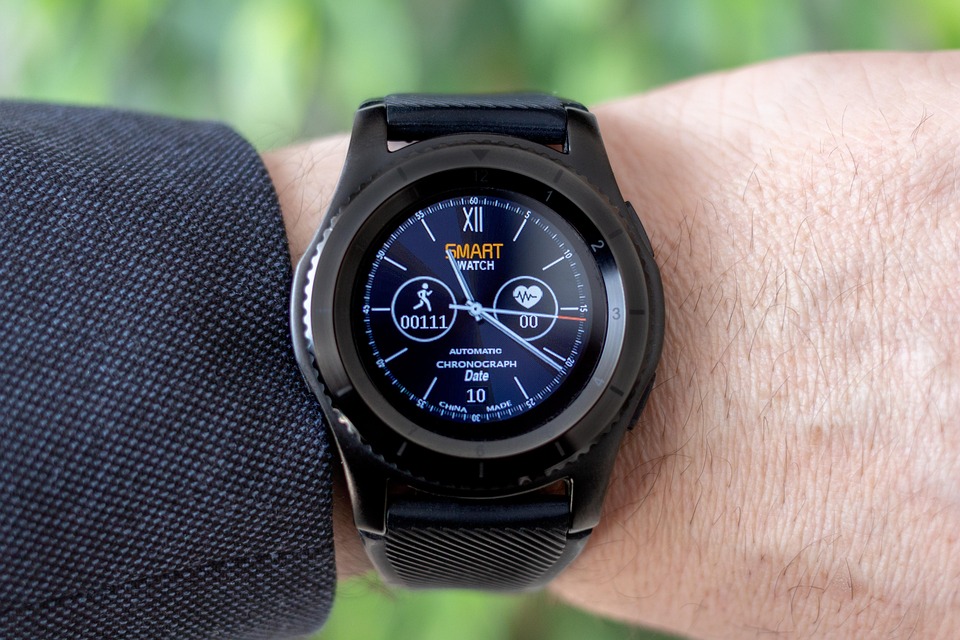
A range of tools can enhance respiratory rate monitoring. Wearable devices such as smartwatches and fitness trackers often include respiratory rate features. These devices provide continuous monitoring and can alert users to significant changes.
Mobile applications designed for health tracking can aggregate respiratory rate data with other health metrics. These apps often provide visualizations and trend analysis, making it easier for users to interpret their data.
Clinical devices such as pulse oximeters are also effective for monitoring respiratory rate. These devices are often more accurate than consumer-grade options and can provide immediate feedback.
Who Should Avoid This?
Individuals with specific medical conditions, such as severe asthma or chronic obstructive pulmonary disease (COPD), should consult healthcare providers before using respiratory monitoring devices. These individuals may require specialized equipment or monitoring protocols that are not available in standard consumer devices.
Additionally, those who are not comfortable with technology may find it challenging to use these monitoring tools effectively. In such cases, traditional methods of monitoring respiratory health may be more appropriate.
Common Questions
What is a normal respiratory rate?
A normal respiratory rate for adults typically ranges from 12 to 20 breaths per minute. Factors such as age, fitness level, and health status can influence this rate.
How can I track my respiratory rate at home?
You can track your respiratory rate at home using wearable devices or mobile applications that feature respiratory monitoring capabilities. These tools provide real-time data and can help you identify trends over time.
What should I do if my respiratory rate is consistently high?
If your respiratory rate is consistently high, it is advisable to consult a healthcare provider. Elevated respiratory rates can indicate underlying health issues that may require medical attention.
The Bottom Line
Monitoring respiratory rate can provide valuable insights into health and wellness.
- Early detection of potential health issues is crucial.
- Integration with other health metrics enhances overall health management.
- Choosing the right tools can significantly impact the effectiveness of monitoring.