
Contents
Understanding how core body temperature influences daily performance can significantly enhance productivity and overall well-being. The human body operates within a narrow temperature range, typically around 36.1 to 37.2 degrees Celsius. Deviations from this range can lead to a decline in cognitive function, physical performance, and emotional stability. Recognizing these effects can help individuals optimize their daily routines, work environments, and even training regimens.
Research indicates that optimal body temperature varies throughout the day, influenced by circadian rhythms. For instance, body temperature tends to be lower in the early morning and peaks in the late afternoon. This fluctuation can affect alertness, decision-making, and physical capabilities. By aligning activities with these natural temperature cycles, individuals can maximize their performance and efficiency.
Environmental factors such as humidity, clothing, and room temperature also play a crucial role in regulating core body temperature. For example, a temperature-controlled workspace can enhance concentration and reduce fatigue. Understanding the interplay between these factors allows for strategic adjustments that can lead to improved outcomes in both personal and professional settings.
Incorporating strategies to manage core body temperature can lead to tangible benefits. Simple adjustments in daily habits, such as hydration, nutrition, and exercise, can help maintain optimal body temperature. This guide aims to provide actionable insights into how to leverage core body temperature for enhanced daily performance.
How to Implement Body Temperature Management for Real Results
- Best Tool: Wearable Thermometer
- Optimal Configuration: Set alerts for temperature deviations above 37.5 degrees Celsius
- Expected Outcome: Improved awareness and proactive adjustments to maintain performance
Understanding Your Baseline Temperature
Establishing a baseline core body temperature is essential for effective management. Regularly measuring your temperature at different times of the day can provide insights into your natural fluctuations. This data can help identify patterns that correlate with peak performance periods. For example, if your temperature is consistently lower in the morning, scheduling demanding tasks for later in the day may enhance productivity. Tracking this data over time can also reveal how lifestyle changes affect your baseline.
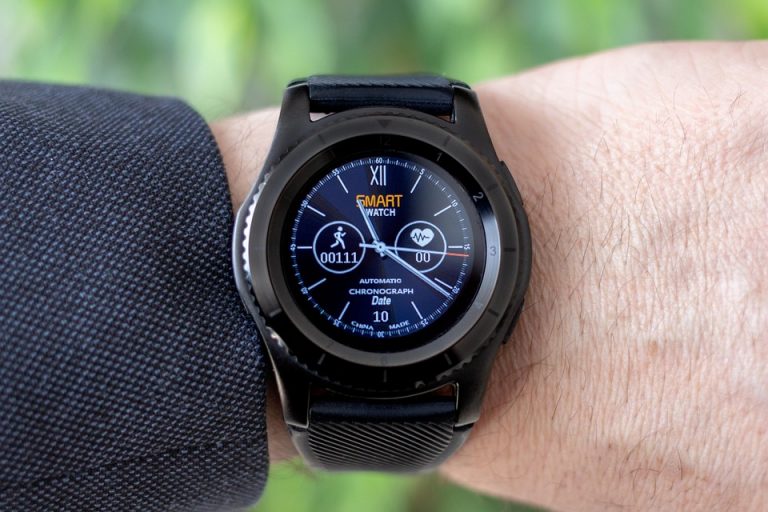
Utilizing a wearable thermometer can simplify this process. Many devices sync with mobile apps, allowing for easy tracking and analysis of temperature trends. This real-time data can empower you to make informed decisions about when to tackle challenging tasks. Additionally, understanding your baseline can help you recognize when external factors, such as stress or illness, may be impacting your performance. Regular monitoring can lead to a more personalized approach to productivity.
Pro Tip: Consider maintaining a temperature journal to correlate your performance with specific activities or environmental conditions. This can help identify optimal conditions for focus and productivity.
Creating an Optimal Environment
The environment plays a significant role in regulating core body temperature. Factors such as room temperature, humidity, and airflow can influence comfort and performance. A workspace that is too hot or too cold can lead to distractions and decreased productivity. Aim for a room temperature between 20 to 22 degrees Celsius, which is generally considered optimal for focus. Adjusting your environment can be as simple as using fans, opening windows, or adjusting the thermostat.
Incorporating plants or using air purifiers can also improve air quality and comfort. These changes can enhance overall well-being, leading to better concentration and productivity. Additionally, consider the impact of clothing on body temperature. Wearing breathable fabrics can help regulate temperature and prevent overheating. This is particularly important during physical activities or long working hours.
Pro Tip: Use a smart thermostat to automate temperature adjustments based on your daily schedule. This can help maintain optimal conditions without constant manual adjustments.
Hydration and Nutrition Strategies
Hydration is crucial for maintaining core body temperature. Dehydration can lead to an increase in body temperature, impairing cognitive and physical performance. Aim to drink at least 2 liters of water daily, adjusting for activity level and environmental conditions. Incorporating electrolyte-rich beverages can also help maintain hydration levels, especially during intense physical activities.
Nutrition plays a vital role in regulating body temperature as well. Consuming balanced meals that include proteins, healthy fats, and complex carbohydrates can provide sustained energy levels. Foods high in water content, such as fruits and vegetables, can also aid in hydration. Avoiding excessive caffeine or sugar can prevent spikes and crashes in energy levels, which can negatively impact performance.
Pro Tip: Monitor your hydration levels by checking the color of your urine. A pale yellow color typically indicates adequate hydration.
Configuration Risks in Temperature Management
Ignoring Individual Variability
One common error in temperature management is overlooking individual variability. Each person’s body responds differently to temperature changes, influenced by factors such as age, gender, and fitness level. Failing to account for these differences can lead to ineffective strategies that do not yield the desired results. For example, a strategy that works well for one person may cause discomfort or decreased performance in another.
To mitigate this risk, it is essential to personalize temperature management strategies. Conducting regular assessments of your performance in relation to temperature changes can provide valuable insights. Adjusting your approach based on these assessments can lead to improved outcomes. Incorporating feedback loops into your routine can help refine your strategies over time.
Over-Reliance on Technology
Another potential pitfall is over-reliance on technology for temperature management. While wearable devices can provide valuable data, they are not infallible. Technical malfunctions or inaccuracies can lead to misguided decisions. Relying solely on technology without considering personal sensations or environmental cues can result in suboptimal performance.
To avoid this issue, balance technology use with self-awareness. Regularly check in with your body to assess how you feel in relation to temperature changes. This holistic approach can help ensure that you are not solely dependent on technology for performance optimization. Combining data from devices with personal insights can lead to a more comprehensive understanding of your needs.
Neglecting Environmental Factors
Neglecting environmental factors is a common oversight in temperature management. Many individuals focus solely on their body temperature without considering external influences. Factors such as humidity, airflow, and clothing can significantly impact how temperature affects performance. Failing to adjust these elements can lead to discomfort and decreased productivity.
To address this risk, regularly assess your environment and make necessary adjustments. Simple changes, such as using fans or adjusting clothing, can enhance comfort and performance. Creating a conducive environment for productivity should be a priority. This holistic approach can lead to improved outcomes in both personal and professional settings.
The Protocol for Effective Temperature Management
Implementing effective temperature management requires a structured approach. Utilizing protocols such as the Circadian Rhythm Model can help align activities with natural body temperature fluctuations. This model emphasizes the importance of scheduling demanding tasks during peak temperature periods. Research indicates that cognitive performance peaks when body temperature is at its highest, typically in the late afternoon.
Incorporating the Thermoregulation Protocol can also enhance performance. This protocol focuses on maintaining optimal hydration and nutrition to support temperature regulation. Ensuring that your body has the necessary resources to manage temperature effectively can lead to improved cognitive and physical performance. Regular assessments of hydration and nutrition status can help maintain this balance.
For further insights, refer to Wired for the latest research on wearable technology and its impact on health and performance.
Choosing the Right Solution
- Assess your daily routine and identify peak performance times based on temperature fluctuations.
- Utilize wearable technology to track temperature and correlate it with performance metrics.
- Consider environmental adjustments, such as air quality and humidity, to enhance comfort and productivity.
Pros and Cons
| The Benefits | Potential Downsides |
|---|---|
| Improved cognitive function and decision-making during peak temperature periods. | Over-reliance on technology may lead to neglecting personal sensations. |
| Enhanced physical performance through optimal hydration and nutrition. | Environmental adjustments may require additional resources or time. |
| Increased awareness of personal temperature patterns can lead to personalized strategies. | Individual variability may complicate the implementation of standardized approaches. |
Tools for Temperature Management
Utilizing specific tools can enhance your temperature management strategies. Wearable thermometers provide real-time data on core body temperature, allowing for immediate adjustments. Smart thermostats can automate environmental controls based on your schedule, ensuring optimal conditions. Hydration apps can help track water intake and remind you to stay hydrated throughout the day.
Who Should Avoid This?
Individuals with certain medical conditions, such as hyperthyroidism or heat intolerance, should approach temperature management with caution. These conditions can affect how the body regulates temperature and may require specialized strategies. Consulting with a healthcare professional is advisable before implementing significant changes to temperature management practices.
Common Questions
How does core body temperature affect sleep quality?
Core body temperature plays a crucial role in sleep regulation. A drop in temperature signals the body that it is time to sleep, while elevated temperatures can lead to restlessness and disrupted sleep patterns.
Can diet influence core body temperature?
Yes, diet can significantly impact core body temperature. Foods that are high in water content can help maintain hydration and regulate temperature, while heavy meals can lead to an increase in body temperature during digestion.
What role does exercise play in body temperature regulation?
Exercise elevates core body temperature, which can enhance metabolic processes. However, it is essential to manage hydration and cooling strategies to prevent overheating during intense physical activity.
The Bottom Line
Managing core body temperature is crucial for optimizing daily performance. Implementing effective strategies can lead to enhanced cognitive and physical capabilities.
- Establish a baseline temperature and monitor fluctuations.
- Create an optimal environment for productivity.
- Incorporate hydration and nutrition strategies to support temperature regulation.