
Contents
- How to Implement Variable Focal Depth for Real Results
- Configuration Risks in Focal Depth Techniques
- The Technical Framework of Focal Depth
- Choosing the Right Solution for Focal Depth
- Pros & Cons of Variable Focal Depth
- Tools and Workflows for Focal Depth
- Who Should Avoid This?
- Common Questions
- The Final Takeaway
Exploring variable focal depth in modern photography techniques introduces a complex interplay between artistic vision and technical execution. Photographers often grapple with the challenge of achieving the desired focus while managing depth of field. This friction point can significantly influence the final image, impacting storytelling and viewer engagement. Understanding how to manipulate focal depth effectively can elevate photography from mere documentation to a powerful form of expression.
The concept of variable focal depth allows photographers to control which elements of a scene are sharp and which are blurred. This technique is particularly useful in portrait photography, where isolating the subject from the background can enhance emotional resonance. However, many photographers overlook the technical settings that can optimize this effect, leading to missed opportunities for creative expression.
Modern cameras and lenses come equipped with advanced features that facilitate variable focal depth. Yet, the challenge remains in mastering these features to achieve real-world results. This guide aims to demystify the complexities of focal depth, providing actionable insights and practical applications that photographers can implement immediately.
By delving into the intricacies of focal depth, this guide will equip photographers with the knowledge to enhance their craft. Whether you are a seasoned professional or an enthusiastic beginner, understanding these techniques can lead to more compelling imagery.
How to Implement Variable Focal Depth for Real Results
- Best Tool: Canon RF 85mm f/1.2L
- Optimal Configuration: Aperture set to f/1.2, focus on the subject’s eyes
- Expected Outcome: Subject isolation with a beautifully blurred background
Preparation for Variable Focal Depth
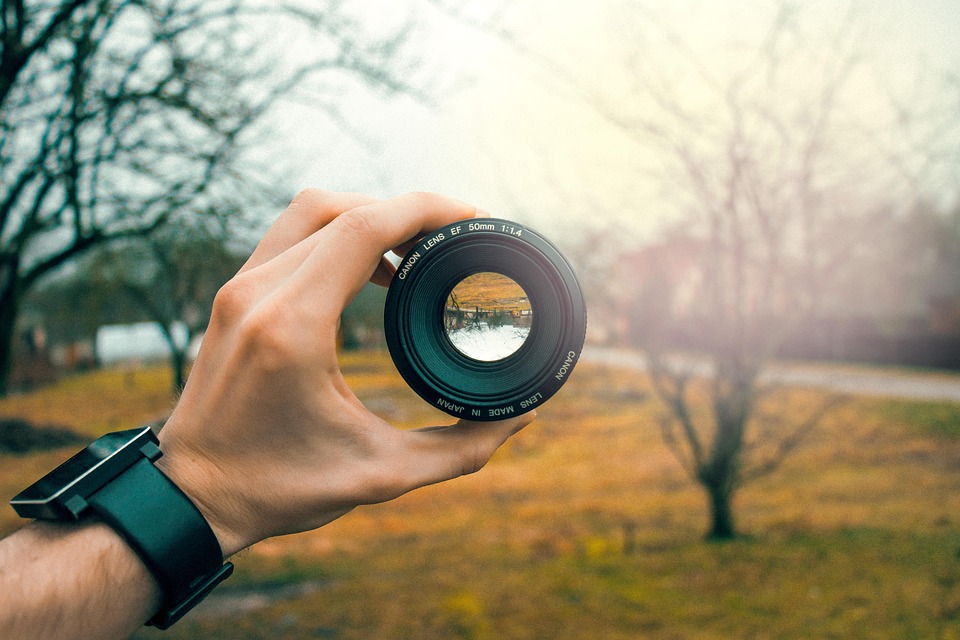
Understanding the fundamentals of focal depth is crucial for effective implementation. Begin by selecting a lens with a wide aperture, which allows for a shallower depth of field. The Canon RF 85mm f/1.2L is an excellent choice due to its ability to create striking bokeh while maintaining sharpness on the subject. Familiarize yourself with the camera settings, particularly the aperture priority mode, to gain more control over exposure.
Consider the composition of your shot. Position your subject at a distance from the background to maximize the effect of the blurred area. This separation enhances the three-dimensional quality of your image, drawing the viewer’s eye directly to the subject. Pay attention to the lighting conditions, as they can significantly affect the depth of field and overall image quality.
Pro Tip: Always shoot in RAW format to retain maximum detail, allowing for better post-processing adjustments.
Action Steps for Capturing Images
Once you have prepared your setup, it’s time to take action. Set your camera to aperture priority mode and adjust the aperture to the widest setting, typically f/1.2 for portrait work. This setting allows for the most light to enter the lens, creating a shallow depth of field that isolates your subject. Focus on the subject’s eyes, as this is where the viewer’s gaze will naturally gravitate.
Experiment with different distances between the subject and the background. A greater distance will yield a more pronounced blur, enhancing the subject’s prominence in the frame. Utilize manual focus if necessary to ensure precision, especially in low-light conditions where autofocus may struggle.
Pro Tip: Use a tripod to stabilize your camera, particularly in lower light situations, to prevent motion blur.
User Experience Considerations
The final step involves evaluating the user experience of your images. After capturing, review your photos to assess the effectiveness of the focal depth. Look for images where the subject stands out against a smoothly blurred background, enhancing the emotional impact.
Consider the storytelling aspect of your images. Does the focal depth contribute to the narrative you wish to convey? If not, adjust your technique in future shoots. Continuous evaluation and adaptation are key to mastering variable focal depth.
Pro Tip: Create a portfolio of your best images that utilize variable focal depth to showcase your skills and attract potential clients.
Configuration Risks in Focal Depth Techniques
Misunderstanding Depth of Field
A common error among photographers is misunderstanding the relationship between aperture and depth of field. Many believe that simply using a wide aperture will always yield the desired effect. However, this assumption can lead to images where the subject is not adequately isolated. A shallow depth of field requires careful consideration of distance and framing to achieve the intended focus.
To mitigate this risk, experiment with various apertures and distances. Take test shots to observe how changes affect the depth of field. Understanding the nuances of your equipment will help you make informed decisions during a shoot.
Neglecting Background Elements
Another frequent oversight is neglecting the background when focusing on the subject. A cluttered or distracting background can detract from the subject, regardless of the focal depth. Photographers may assume that a wide aperture will solve this issue, but this is not always the case.
To address this, take time to analyze the background before shooting. Look for elements that complement the subject rather than detract from it. If necessary, change your shooting angle or position to create a more harmonious composition.
Ignoring Post-Processing Adjustments
Many photographers overlook the importance of post-processing when it comes to enhancing focal depth. Relying solely on camera settings can lead to missed opportunities for improvement. Post-processing allows for adjustments in sharpness and blur that can significantly impact the final image.
Utilize software like Adobe Lightroom or Photoshop to refine your images. Pay attention to sharpening the subject while softening the background further. This technique can enhance the overall depth and dimension of your photographs.
The Technical Framework of Focal Depth
Understanding the technical framework behind variable focal depth is essential for mastering this technique. Three key industry-standard protocols come into play: the exposure triangle, lens design principles, and sensor technology.
The exposure triangle, consisting of aperture, shutter speed, and ISO, governs how light interacts with your camera. Adjusting these settings allows for precise control over depth of field. For instance, a wider aperture (lower f-stop number) results in a shallower depth of field, effectively isolating your subject.
Lens design principles also play a critical role. High-quality lenses, such as prime lenses with wide apertures, are engineered to produce sharper images with pleasing bokeh. Understanding how different lens designs affect focal depth can inform your equipment choices.
Sensor technology has evolved significantly, impacting how depth of field is perceived in digital photography. Larger sensors typically produce a shallower depth of field compared to smaller sensors. This characteristic is crucial when selecting a camera for portrait or macro photography.
For further insights into these principles, refer to Wired.
Choosing the Right Solution for Focal Depth
-
Lens Type: Select a prime lens with a wide aperture for optimal results. These lenses are designed for sharpness and beautiful background blur, making them ideal for portraits.
-
Camera Settings: Utilize aperture priority mode to maintain control over depth of field. This setting allows you to prioritize aperture while the camera automatically adjusts shutter speed for proper exposure.
-
Shooting Distance: Experiment with the distance between the subject and the background. Greater separation enhances the blur effect, making the subject stand out more prominently.
Pros & Cons of Variable Focal Depth
| The Benefits | Potential Downsides |
|---|---|
| Creates stunning subject isolation | Requires careful planning and execution |
| Enhances emotional impact of images | Can lead to missed focus if not managed properly |
| Versatile for various photography styles | May require additional post-processing |
Tools and Workflows for Focal Depth
Utilizing the right tools can significantly enhance your ability to manipulate focal depth. Consider using a tripod for stability, especially in low light. Additionally, software like Adobe Lightroom can aid in post-processing, allowing for adjustments to sharpness and blur.
Incorporating a light meter can also improve exposure accuracy, ensuring that your images maintain the desired depth of field. Experimenting with different lenses will further expand your creative options.
Who Should Avoid This?
Photographers who primarily work in fast-paced environments may find variable focal depth challenging to implement effectively. The need for precise focus and careful composition can slow down the shooting process, potentially missing spontaneous moments.
Additionally, beginners who are still mastering basic photography concepts may feel overwhelmed by the technical requirements of variable focal depth. It may be beneficial for them to focus on foundational skills before delving into more complex techniques.
Common Questions
What is variable focal depth?
Variable focal depth refers to the ability to control the focus range in an image, allowing certain elements to be sharp while others are blurred. This technique enhances the visual narrative and emotional impact of photographs.
How do I achieve a shallow depth of field?
To achieve a shallow depth of field, use a lens with a wide aperture, such as f/1.2 or f/1.8. Position your subject away from the background and focus on the subject to create a pleasing blur effect.
Can I use variable focal depth in landscape photography?
While variable focal depth is more commonly associated with portrait photography, it can also be used in landscape photography. Careful composition and selective focusing can create interesting effects, highlighting specific elements within the scene.
The Final Takeaway
Mastering variable focal depth can transform your photography, allowing for greater creative expression and emotional resonance.
- Understand the technical settings and equipment.
- Experiment with different compositions and distances.
- Continuously evaluate and refine your technique.