
Contents
Engaging conversations in the gaming podcast landscape present unique challenges and opportunities. With the gaming industry continually evolving, podcasters must navigate a complex web of audience expectations, technical requirements, and content strategies. The friction point lies in balancing entertainment with informative content while ensuring that production quality meets industry standards. Gamers are discerning listeners, often seeking not just entertainment but also insights that resonate with their experiences and interests.
Understanding the nuances of audience engagement is crucial. Gamers often participate in communities that thrive on interaction, so a podcast must foster a sense of belonging and encourage participation. This requires a strategic approach to content creation, guest selection, and audience interaction. The right mix can transform a standard podcast into a vibrant community hub.
Technical proficiency is equally important. Podcasters must be aware of the tools and technologies that can enhance their production quality and audience reach. From audio equipment to editing software, each element plays a role in crafting a polished final product. Failure to optimize these elements can lead to a subpar listening experience, resulting in decreased audience retention.
Ultimately, the goal is to create a podcast that not only informs but also entertains and engages. This guide will explore practical applications, common pitfalls, and the technical underpinnings that can elevate a gaming podcast from good to great. By understanding these elements, podcasters can create a compelling auditory experience that resonates with their audience.
How to Implement Engaging Conversations for Real Results
- Best Tool: Adobe Audition
- Optimal Configuration: Use the multitrack feature with a sample rate of 48 kHz and a bit depth of 24-bit for high-quality audio.
- Expected Outcome: Clear, professional sound quality that enhances listener engagement.
Content Strategy Development
Creating a robust content strategy requires an understanding of what resonates with the audience. Start by conducting thorough research on trending topics within the gaming community. Use platforms like Reddit and Discord to identify common questions and discussions that gamers are having. This research will inform your episode themes and guest selection, ensuring that your content remains relevant and engaging. A misalignment between content and audience interest can lead to a 30 percent drop in listener retention.
Next, define your podcast’s unique voice. This involves establishing a tone that reflects the gaming culture while also being relatable to your target audience. Whether it’s humor, seriousness, or a mix of both, consistency in tone will help build brand identity. Many beginners overlook the importance of voice, leading to a disjointed listening experience that can alienate potential fans.
Finally, incorporate audience interaction into your strategy. Encourage listeners to submit questions or topics for discussion. This not only fosters community but also ensures that your content is tailored to what your audience wants to hear. Engaging with your listeners can increase your social media following by up to 25 percent, creating a more vibrant community around your podcast.
Pro Tip: Utilize social media polls to gauge audience interest in potential topics before recording.
Technical Setup for Quality Production
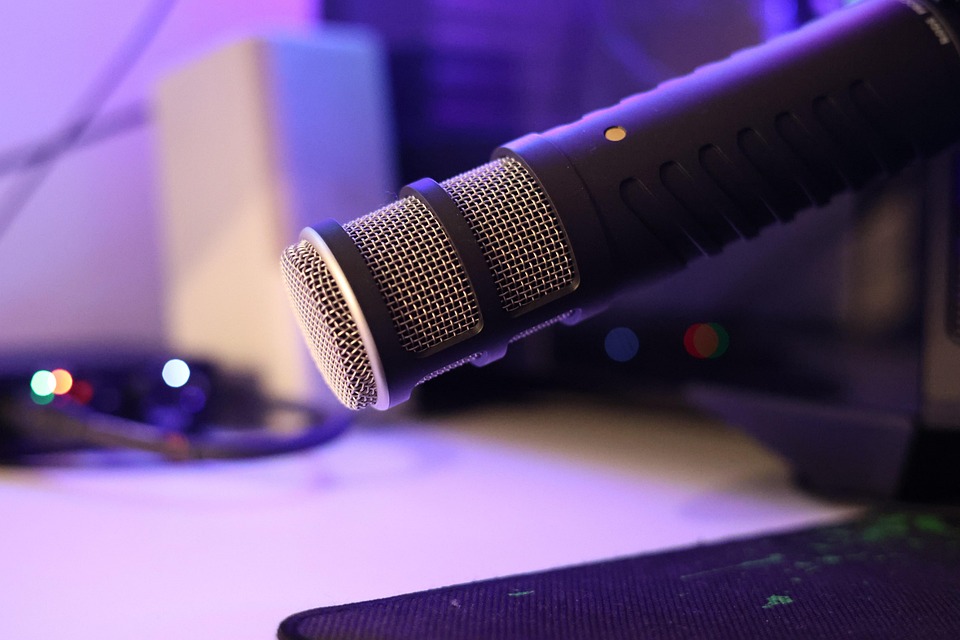
Investing in quality audio equipment is essential for producing a professional-sounding podcast. A good microphone, such as the Shure SM7B, can significantly improve audio clarity. Pair this with a digital audio interface that supports high sample rates, ensuring that your recordings capture the full range of sound. Many novice podcasters underestimate the importance of equipment quality, which can lead to poor audio that drives listeners away.
Editing software plays a crucial role in post-production. Adobe Audition offers advanced features like noise reduction and equalization, allowing for a polished final product. Set your noise reduction settings to -3 dB to eliminate background noise while maintaining audio integrity. This attention to detail can enhance listener experience and reduce complaints about audio quality.
Finally, consider your hosting platform. Choose one that offers analytics to track listener engagement and demographic data. This information is invaluable for tailoring future content and marketing strategies. Many podcasters overlook the importance of analytics, which can lead to missed opportunities for growth and audience engagement.
Pro Tip: Regularly review your analytics to identify trends and adjust your content strategy accordingly.
Audience Engagement Techniques
Engaging your audience requires more than just quality content; it involves creating a two-way communication channel. Utilize platforms like Twitch or YouTube for live discussions, allowing listeners to interact in real time. This can significantly boost engagement levels, as live interactions can create a sense of community. Many podcasters fail to leverage live interactions, missing out on the opportunity for immediate feedback and connection.
Incorporate listener feedback into your episodes. Create segments where you address listener questions or comments. This not only validates your audience’s input but also encourages more interaction in the future. Ignoring audience feedback can lead to a disconnect, reducing overall engagement and loyalty.
Finally, consider gamifying your podcast experience. Create challenges or contests that encourage listeners to participate actively. This could involve trivia related to gaming history or challenges based on recent game releases. Gamification can increase listener retention by up to 40 percent, as it transforms passive listening into an interactive experience.
Pro Tip: Use dedicated hashtags for your podcast to track listener engagement on social media.
Configuration Risks
Poor Audio Quality
One of the most common pitfalls in podcasting is neglecting audio quality. Many podcasters underestimate the importance of sound clarity and fail to invest in proper equipment. This can lead to muffled voices and distracting background noise, which can drive listeners away. To mitigate this risk, ensure that you use a quality microphone and consider soundproofing your recording space. Poor audio quality can result in a 22 percent increase in bounce rates, as listeners quickly abandon low-quality content.
Another risk is improper editing. Rushing through the editing process can leave in unwanted sounds or create abrupt transitions that disrupt the listening experience. Take the time to edit carefully, ensuring that each episode flows smoothly. Setting a standard for editing can enhance the overall quality of your podcast, making it more appealing to listeners.
Inconsistent Release Schedule
Inconsistency in episode release can frustrate listeners and lead to decreased engagement. Many podcasters start strong but struggle to maintain a regular schedule. This inconsistency can create uncertainty for your audience, leading them to seek out more reliable alternatives. Establish a content calendar and stick to it, ensuring that your audience knows when to expect new episodes.
Additionally, consider the length and format of your episodes. If your audience prefers short, digestible content, avoid lengthy discussions that may lose their interest. Regularly solicit feedback on episode length to align with audience preferences. A mismatch in expectations can lead to a significant drop in listener loyalty.
Neglecting Analytics
Failure to monitor analytics can hinder growth and audience engagement. Many podcasters overlook the importance of data in shaping their content strategy. Without understanding listener demographics and engagement patterns, it becomes challenging to tailor content effectively. Regularly review your analytics to identify trends and adjust your strategy accordingly.
Moreover, neglecting to analyze listener feedback can result in missed opportunities for improvement. Encourage your audience to provide input on what they enjoy and what they would like to see changed. This feedback loop is crucial for maintaining a dynamic and engaging podcast that resonates with your audience.
The Technical Framework
Understanding the technical framework of podcasting is essential for creating engaging content. Audio compression standards like MP3 or AAC play a significant role in file size and quality. For optimal delivery, aim for a bitrate of 128 kbps for MP3 files, which balances quality and file size effectively. This ensures that your podcast is accessible to a wider audience without sacrificing sound quality.
Implementing proper metadata is another key aspect. Use ID3 tags to embed information such as episode title, artist name, and genre into your audio files. This not only enhances discoverability on platforms like Apple Podcasts but also improves SEO. Failure to use metadata can result in lower visibility, reducing potential audience reach.
Utilizing a Content Delivery Network (CDN) can also enhance the delivery of your podcast. CDNs reduce latency and improve load times by caching content closer to the listener. Aim for a Time to First Byte (TTFB) of under 200 ms to ensure a smooth listening experience. For more information on CDNs, visit Wired.
Choosing the Right Solution
- Evaluate your target audience. Understanding their preferences will guide content creation and engagement strategies.
- Assess your technical capabilities. Ensure you have the necessary skills and tools to produce high-quality audio and manage distribution.
- Consider your budget. Choose solutions that align with your financial resources while still meeting quality standards.
Pros & Cons
| The Benefits | Potential Downsides |
|---|---|
| High engagement potential with interactive content. | Requires ongoing effort and resources to maintain quality. |
| Ability to build a loyal community around shared interests. | Initial setup can be time-consuming and complex. |
| Access to a global audience through various platforms. | Competition is fierce, making it challenging to stand out. |
Tools and Workflows
Utilizing the right tools can streamline your podcasting workflow. Software like Hindenburg Journalist simplifies editing and enhances audio quality. Additionally, platforms like Libsyn or Podbean can manage hosting and distribution efficiently. Integrating these tools into your workflow can save time and ensure consistency in your podcasting efforts.
Who Should Avoid This?
Individuals not willing to invest time in learning technical skills may struggle with podcasting. The need for quality audio production and effective content strategies requires a commitment to improvement. Additionally, those who prefer a passive content creation approach may find the interactive nature of podcasting challenging.
Common Questions
What equipment do I need to start a gaming podcast?
A quality microphone, headphones, and audio editing software are essential. Consider investing in a digital audio interface for better sound quality.
How often should I release new episodes?
A consistent release schedule is crucial. Aim for at least one episode per week to keep your audience engaged.
How can I promote my podcast effectively?
Utilize social media platforms and gaming communities to promote your episodes. Collaborating with other podcasters can also expand your reach.
The Bottom Line
Creating engaging conversations in gaming podcasts requires a strategic blend of technical skills and audience engagement. Focus on quality content and community interaction to build a loyal listener base.
- Invest in quality audio equipment.
- Establish a consistent release schedule.
- Engage with your audience through feedback and interaction.