
Contents
Modern life demands a constant supply of power for our devices. Whether it’s smartphones, tablets, or other gadgets, running out of battery can be a frustrating experience. This challenge becomes even more pronounced when traveling or spending time outdoors, where traditional power sources may not be available. A solar-powered power bank emerges as a practical solution, allowing users to charge their devices anywhere, anytime, harnessing the sun’s energy.
The technology behind solar-powered power banks is not just about convenience; it also aligns with the growing need for sustainable energy solutions. With increasing awareness of environmental issues, consumers are seeking ways to reduce their carbon footprint. Solar power banks represent a step toward eco-friendly energy consumption, providing a renewable source of power that can be utilized in various settings.
Understanding how to effectively utilize a solar-powered power bank can significantly enhance user experience. Many users may overlook the nuances of solar charging, such as optimal positioning and sunlight exposure. This guide aims to provide a comprehensive overview of how to maximize the benefits of solar-powered power banks, ensuring that users can stay connected without the worry of running out of battery.
By exploring practical applications, common pitfalls, and technical specifications, this guide will equip readers with the knowledge needed to make informed decisions. Whether for outdoor adventures, travel, or daily use, a solar-powered power bank can be a reliable companion. Let’s delve into the best practices and insights for charging devices anywhere with this innovative technology.
How to Implement Solar-Powered Solutions for Real Results
- Best Tool: Solar-Powered Power Bank
- Optimal Configuration: Position at a 45-degree angle for maximum sunlight exposure
- Expected Outcome: 20% faster charging in optimal conditions
Choosing the Right Solar-Powered Power Bank
Selecting the right solar-powered power bank involves understanding both capacity and efficiency. Capacity is measured in milliampere-hours (mAh), which indicates how much charge the bank can store. A power bank with a capacity of at least 20,000 mAh is ideal for multiple charges of smartphones or tablets. However, efficiency is equally important; look for models that convert at least 20% of solar energy into usable power. This ensures that even on cloudy days, the device can still provide adequate charging.
When evaluating options, consider the type of solar panels used in the power bank. Monocrystalline panels are generally more efficient than polycrystalline ones, converting more sunlight into electricity. This can lead to a significant difference in charging times, especially in less-than-ideal conditions. Additionally, check the output ports; having multiple USB ports allows for simultaneous charging of multiple devices, enhancing usability.
Pro Tip: Always verify the manufacturer’s claims regarding charging speeds and efficiency. Independent reviews can provide insights into real-world performance, which can differ from advertised specifications.
Maximizing Solar Charging Efficiency
To get the most out of a solar power bank, placement is crucial. Position the power bank in direct sunlight, ideally at a 45-degree angle, to capture the maximum amount of solar energy. This angle allows for optimal light absorption throughout the day. Avoid placing the device in shaded areas or near reflective surfaces that could reduce sunlight exposure. The charging efficiency can drop by as much as 30% in shaded conditions.
Monitoring the weather can also enhance charging efficiency. On sunny days, the power bank can reach full charge within 8 to 12 hours, while cloudy conditions can extend this to 24 hours or more. Users should plan their charging times accordingly, especially when relying on solar energy for essential devices. Utilizing a power bank with built-in indicators can help track charging progress and optimize usage.
Pro Tip: Consider using a solar power bank with a built-in battery management system. This feature can protect against overcharging and overheating, enhancing the longevity of both the power bank and the devices being charged.
Integrating with Daily Life
Incorporating a solar-powered power bank into daily routines can be seamless. For outdoor enthusiasts, having a reliable charging solution can enhance the experience, allowing for navigation and communication without the fear of battery depletion. Users can charge their devices while hiking, camping, or during long road trips, ensuring they remain connected to the digital world.
For urban dwellers, a solar power bank can serve as a backup during power outages or emergencies. With the increasing frequency of extreme weather events, having a sustainable power source can provide peace of mind. Additionally, solar power banks can be used in conjunction with other solar-powered devices, creating a cohesive energy solution that reduces reliance on traditional power sources.
Pro Tip: Keep the solar power bank in a location that receives ample sunlight during the day, such as a car dashboard or a patio. This ensures that it remains charged and ready for use whenever needed.
Configuration Risks in Solar-Powered Solutions
Insufficient Sunlight Exposure
One common error when using solar-powered power banks is failing to ensure adequate sunlight exposure. Users often underestimate the importance of direct sunlight, which can lead to prolonged charging times or insufficient power generation. Positioning the power bank in shaded areas or indoors can result in a charging efficiency drop of up to 50%. To mitigate this, always assess the surroundings and place the power bank where it can receive maximum sunlight.
Another aspect to consider is the angle of the solar panels. Many users overlook the optimal positioning of the device, which should ideally be at a 45-degree angle. This angle allows for better absorption of sunlight throughout the day. Neglecting this can lead to a significant reduction in charging speed, especially during early morning or late afternoon when the sun is lower in the sky.
Overlooking Battery Management Features
Many users fail to take advantage of the built-in battery management systems that come with solar power banks. These systems can prevent overcharging, overheating, and short-circuiting, which can damage both the power bank and connected devices. Ignoring these features can lead to a decrease in the lifespan of the power bank, reducing its overall effectiveness. Always consult the user manual to understand how to utilize these features effectively.
Additionally, users should regularly check for firmware updates from the manufacturer. These updates can enhance performance and fix any bugs that may affect charging efficiency. Failing to keep the device updated can result in suboptimal performance and increased risk of malfunction.
Neglecting Compatibility with Devices
Another common oversight is neglecting to verify the compatibility of the solar power bank with various devices. Not all power banks support fast charging or are compatible with every device type. This can lead to frustration when users attempt to charge their devices only to find that the power bank does not deliver the required power output. Always check the specifications of both the power bank and the devices to ensure compatibility.
Furthermore, using the wrong cable can also hinder charging performance. It is essential to use high-quality cables that are capable of handling the power output of the solar power bank. Poor-quality cables can lead to increased resistance, resulting in slower charging times and potential damage to both the power bank and the device being charged.
The Architecture of Solar-Powered Charging Solutions
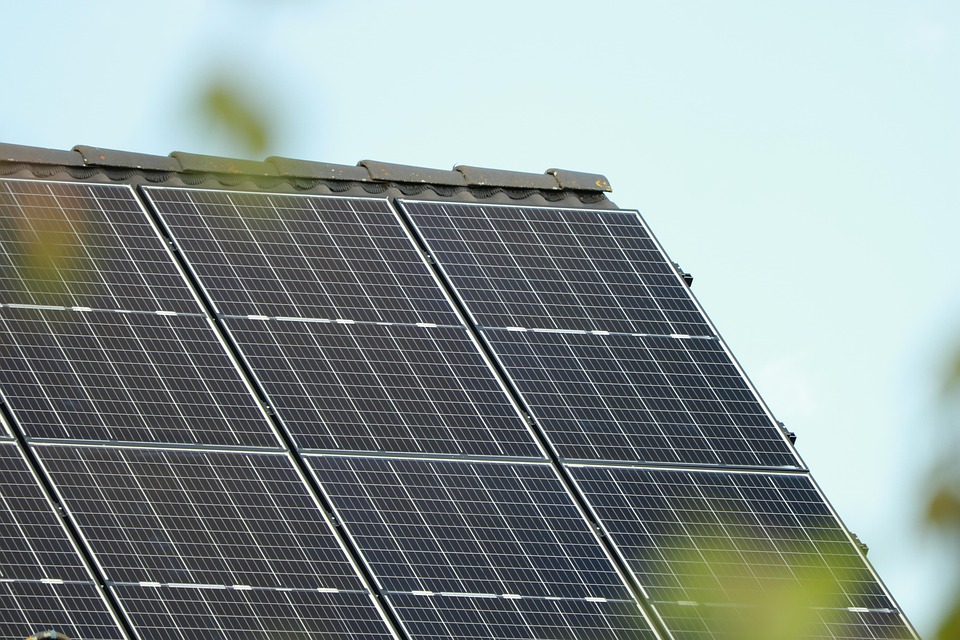
The architecture of solar-powered power banks relies on several key components, including solar panels, battery storage, and charging circuits. Solar panels convert sunlight into electrical energy, which is then stored in a rechargeable battery. The efficiency of this conversion process is critical; high-quality monocrystalline panels can achieve efficiencies of around 20 to 25 percent. This means that a solar power bank can generate more energy from the same amount of sunlight compared to lower-quality alternatives.
Charging circuits play a vital role in regulating the flow of energy from the solar panels to the battery and then to the connected devices. These circuits must comply with industry standards such as USB Power Delivery (USB PD), which allows for faster charging by negotiating power levels between devices. Ensuring that the solar power bank supports USB PD can significantly enhance charging efficiency, especially for high-capacity devices like tablets and laptops.
For further insights into solar technology and efficiency standards, visit Wired. This resource provides valuable information on the latest advancements in solar technology and its applications in consumer electronics.
Choosing the Right Solar-Powered Power Bank
- Assess the capacity: Look for a power bank with at least 20,000 mAh to ensure multiple charges for your devices.
- Evaluate solar panel quality: Opt for monocrystalline panels for better efficiency and faster charging times.
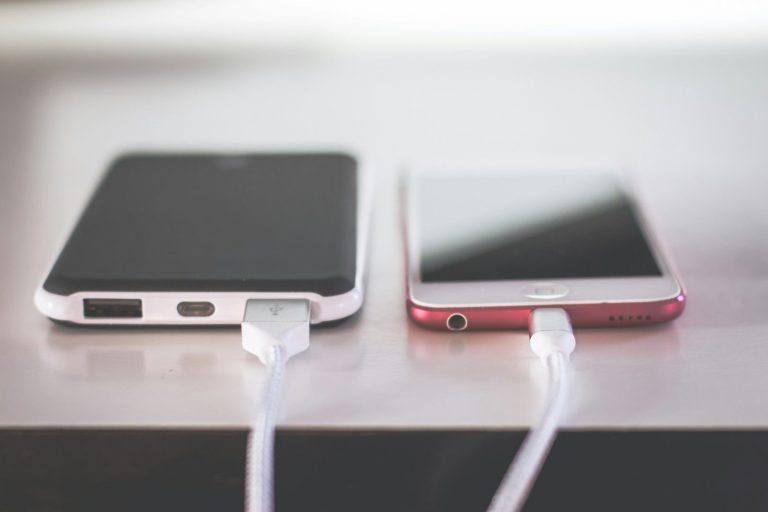
- Check for multiple output ports: Having multiple USB ports allows for simultaneous charging, enhancing usability during trips.
Pros & Cons
| The Benefits | Potential Downsides |
|---|---|
| Environmentally friendly and sustainable energy source | Charging speed can be slower compared to traditional power banks |
| Convenient for outdoor activities and emergencies | Dependent on weather conditions for optimal performance |
| Reduces reliance on traditional power sources | Initial cost may be higher than standard power banks |
Tools for Enhanced Charging
Integrating solar-powered power banks with other tools can enhance overall charging efficiency. Using solar chargers alongside portable solar panels can create a more robust energy solution for extended trips. Additionally, utilizing devices with energy-efficient features can minimize power consumption, allowing for longer usage times between charges.
For users who frequently travel, combining a solar power bank with a solar backpack can provide continuous charging capabilities while on the go. This setup ensures that devices remain charged without needing to rely on traditional power sources.
Who Should Avoid This?
Individuals who primarily use their devices in urban settings with easy access to power outlets may find solar-powered power banks unnecessary. Users who require rapid charging for high-demand devices might also be better served by traditional power banks. Additionally, those living in regions with limited sunlight exposure may not benefit from solar technology.
Common Questions
How long does it take to charge a solar power bank?
The charging time for a solar power bank can vary significantly based on sunlight conditions. On a sunny day, it may take 8 to 12 hours, while cloudy weather can extend this to 24 hours or more.
Can I charge my device while the power bank is charging?
Many solar power banks support pass-through charging, allowing you to charge your devices while the power bank itself is charging. However, this may reduce the overall charging speed for both the power bank and the connected devices.
Are solar power banks waterproof?
Not all solar power banks are waterproof, so it’s essential to check the specifications before use in wet conditions. Some models are designed to be water-resistant, providing added protection during outdoor activities.
The Bottom Line
Solar-powered power banks offer a sustainable solution for charging devices on the go. They combine convenience with eco-friendliness, making them an excellent choice for outdoor enthusiasts and environmentally conscious consumers alike.
- Choose a power bank with high capacity and efficiency.
- Ensure optimal sunlight exposure for effective charging.
- Consider compatibility and features for enhanced usability.