
Contents
Crafting a career in online marketing is a journey filled with opportunities and challenges. The digital landscape is constantly evolving, making it essential for aspiring marketers to stay ahead of the curve. Understanding the intricacies of online marketing can lead to significant professional growth and success. However, many newcomers face friction points that can hinder their progress and limit their potential.
One common challenge is the overwhelming amount of information available, which can lead to analysis paralysis. With numerous tools, strategies, and platforms, it is easy to become lost in the noise. Identifying the right path requires a clear strategy and a willingness to adapt. This guide aims to provide actionable insights to help you navigate the world of online marketing effectively.
By focusing on practical applications, common pitfalls, and technical underpinnings, this guide will equip you with the knowledge needed to thrive in this field. Whether you are just starting or looking to refine your skills, understanding the nuances of online marketing is crucial for inspiring growth in your career.
Prepare to dive deep into the strategies and tactics that can propel your career forward. Embrace the challenges and leverage the insights provided to carve out a successful path in online marketing.
How to Implement Online Marketing for Real Results
- Best Tool: Google Analytics
- Optimal Configuration: Set up goals and funnels to track conversions accurately
- Expected Outcome: Improved understanding of user behavior and a 20% increase in conversion rates
Understanding Your Audience
Knowing your audience is the cornerstone of any effective online marketing strategy. Start by segmenting your audience based on demographics, interests, and behaviors. Use tools like Google Analytics to gather data on user interactions and preferences. This data will help you create targeted campaigns that resonate with your audience. The insight gained from audience analysis can lead to a more personalized user experience, increasing engagement and conversions.
Next, develop buyer personas that encapsulate your ideal customers. These personas should include information such as age, location, and pain points. By visualizing your audience, you can tailor your messaging and content to address their specific needs. This targeted approach often results in higher engagement rates and improved customer satisfaction.
Pro Tip: Regularly update your audience profiles based on new data to ensure your strategies remain relevant and effective.
Leveraging SEO Strategies
Search Engine Optimization (SEO) is a critical component of online marketing that can significantly impact visibility and traffic. Begin by conducting keyword research to identify terms your audience is searching for. Use tools like SEMrush or Ahrefs to analyze keyword difficulty and search volume. Aim for a keyword difficulty score of under 30 for easier ranking opportunities. Implement these keywords strategically within your content to improve search engine rankings.
On-page SEO factors such as meta tags, headers, and image alt texts should not be overlooked. Ensure that each page is optimized for both user experience and search engines. A well-structured website with clear navigation can decrease bounce rates by up to 50 percent. Regularly audit your website for SEO compliance to maintain optimal performance.
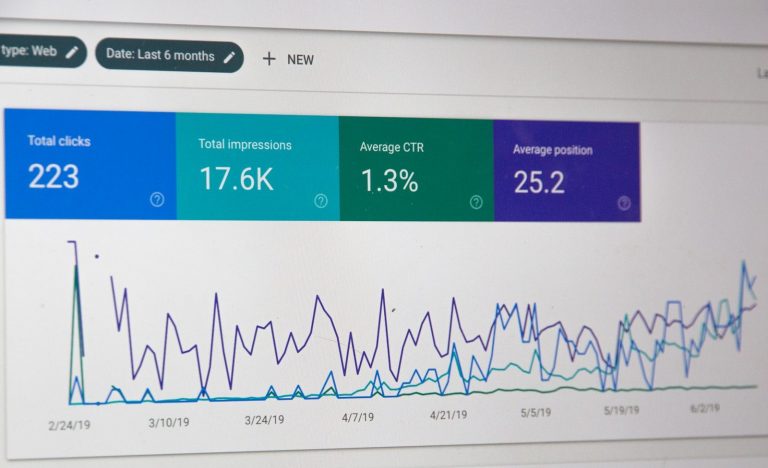
Pro Tip: Monitor your website’s performance using Google Search Console to identify areas for improvement and track your SEO progress.
Utilizing Social Media Effectively
Social media platforms provide an invaluable opportunity for brands to connect with their audience. Start by selecting the platforms that align with your target audience. For example, LinkedIn is ideal for B2B marketing, while Instagram excels in visual storytelling for B2C brands. Develop a content calendar to ensure consistent posting and engagement across platforms.
Engagement metrics such as likes, shares, and comments are essential for measuring the effectiveness of your social media strategy. Aim for a 5% engagement rate as a benchmark for success. Utilize tools like Hootsuite or Buffer for scheduling posts and analyzing performance. Regularly assess which types of content perform best to refine your strategy.
Pro Tip: Experiment with different content formats, such as videos or polls, to keep your audience engaged and encourage interaction.
Configuration Risks in Online Marketing
Ignoring Data Privacy Regulations
Many marketers overlook the importance of data privacy regulations, which can lead to severe penalties and loss of consumer trust. With laws like GDPR and CCPA, failure to comply can result in fines that can reach millions. Ensure that your data collection practices are transparent and that you obtain consent from users before collecting their information. Regularly review your compliance strategies to adapt to changing regulations.
Implementing robust data protection measures is not just a legal requirement but also a trust-building exercise. Use encryption and secure servers to protect user data. Make privacy policies easily accessible to users, ensuring they understand how their data will be used. A transparent approach can enhance your brand’s reputation and foster customer loyalty.
Overlooking Mobile Optimization
With over 50 percent of web traffic coming from mobile devices, neglecting mobile optimization can significantly hinder your marketing efforts. Websites that are not mobile-friendly can experience a 40 percent increase in bounce rates. Ensure that your website is responsive and loads quickly on mobile devices. Aim for a Time to First Byte (TTFB) of under 200 milliseconds to provide a seamless user experience.
Regularly test your website on various mobile devices to identify usability issues. Tools like Google PageSpeed Insights can help you analyze your mobile performance. Implementing a mobile-first design approach can lead to increased engagement and higher conversion rates.
Neglecting Analytics
Failing to leverage analytics tools can result in missed opportunities for optimization and growth. Many marketers set up tracking but do not regularly analyze the data. Establish a routine for reviewing analytics reports to identify trends and areas for improvement. Use insights to adjust your strategies and optimize campaigns for better performance.
Consider setting up automated reports to streamline the process and ensure you are consistently monitoring performance. Tools like Google Data Studio can help visualize data for easier interpretation. Regularly revisiting your analytics can lead to actionable insights that drive growth.
The Technical Framework of Online Marketing
Understanding the technical aspects of online marketing is crucial for long-term success. Key protocols such as HTTPS, which secures data transfer, are essential for maintaining user trust and improving SEO rankings. Websites using HTTPS can see a ranking boost, as Google prioritizes secure sites. Implementing SSL certificates is a straightforward way to enhance security.
Email marketing also relies on specific technical standards, such as DKIM and SPF, to ensure deliverability. Configuring these settings correctly can reduce the likelihood of emails being marked as spam. Aim for a deliverability rate of over 95 percent to maximize your email marketing effectiveness.
For further insights into the technical aspects of online marketing, visit Wired. Staying informed about the latest technologies and standards can significantly impact your marketing strategies and overall effectiveness.
Choosing the Right Solution
- Identify Your Goals: Clearly define what you want to achieve with your online marketing efforts. This will guide your tool selection and strategy development.
- Evaluate Compatibility: Ensure that the tools you choose integrate well with your existing systems. Compatibility can save time and reduce friction in your workflows.
- Consider Scalability: Select solutions that can grow with your business. Scalable tools will accommodate increased traffic and evolving marketing needs.
Pros & Cons
| The Benefits | Potential Downsides |
|---|---|
| Access to a global audience | High competition in the digital space |
| Cost-effective marketing strategies | Requires continuous learning and adaptation |
| Ability to track and measure performance | Data privacy concerns and regulations |
Tools for Success
Utilizing the right tools can streamline your online marketing efforts. Consider using Customer Relationship Management (CRM) software to manage customer interactions effectively. Email marketing platforms can automate campaigns and improve engagement rates. Analytics tools are essential for tracking performance and making data-driven decisions.
Who Should Avoid This?
Individuals not willing to adapt to the fast-paced nature of digital marketing may struggle in this field. Those who prefer traditional marketing methods may find online marketing overwhelming. Additionally, businesses that do not prioritize data privacy and compliance should reconsider their approach to online marketing.
Common Questions
What skills are essential for a career in online marketing?
Key skills include analytical thinking, creativity, and proficiency with digital tools. Understanding SEO, social media, and data analytics is also crucial for success.
How can I measure the success of my online marketing campaigns?
Utilize metrics such as conversion rates, click-through rates, and engagement levels. Tools like Google Analytics can provide valuable insights into campaign performance.
Is online marketing suitable for all types of businesses?
Yes, online marketing can benefit businesses of all sizes and industries. However, the strategies may need to be tailored to fit specific business goals and target audiences.
The Bottom Line
Crafting a successful career in online marketing requires a blend of strategic thinking and technical knowledge. Embrace the challenges and leverage the insights provided to carve out a successful path in online marketing.
- Understand your audience.
- Leverage SEO and social media.
- Continuously analyze and adapt your strategies.