Contents
Monitoring vascular health is crucial for early detection and prevention of cardiovascular diseases. Many individuals overlook essential metrics that can provide insights into their vascular condition. Ignoring these metrics can lead to severe health risks, including heart attacks and strokes. Understanding which metrics to track and how to interpret them can empower individuals to take proactive steps towards better health.
Vascular health metrics encompass a range of measurements that reflect the state of blood vessels and overall cardiovascular function. These metrics include blood pressure, cholesterol levels, blood glucose levels, and more. Each of these indicators provides valuable information about the risk of developing cardiovascular diseases. Regularly monitoring these metrics can lead to timely interventions and lifestyle adjustments.
Many people are unaware of the specific benchmarks that define healthy vascular metrics. For instance, a blood pressure reading of 120/80 mmHg is considered normal, while readings above 130/80 mmHg indicate hypertension. Similarly, maintaining cholesterol levels below 200 mg/dL is vital for cardiovascular health. Understanding these benchmarks is essential for making informed health decisions.
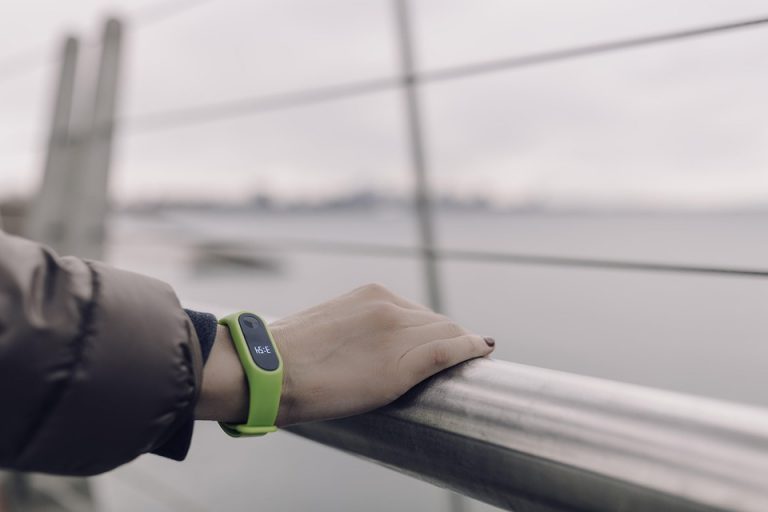
Incorporating technology into health monitoring can enhance the accuracy and convenience of tracking these metrics. Wearable devices and health apps can provide real-time data and alerts, making it easier to stay on top of vascular health. This integration of technology not only simplifies monitoring but also encourages individuals to engage more actively in their health management.
How to Implement Vascular Health Metrics for Real Results
- Best Tool: Continuous Glucose Monitor
- Optimal Configuration: Set alerts for glucose levels above 140 mg/dL
- Expected Outcome: Timely interventions to prevent hyperglycemia
Blood Pressure Monitoring
Regular blood pressure monitoring is fundamental for assessing cardiovascular health. Blood pressure should be measured at least once a month for individuals with normal readings and more frequently for those with hypertension. Proper technique involves sitting for five minutes before taking the measurement and using a validated device. The readings should be recorded consistently to identify trends over time. This data can be invaluable for healthcare providers in making treatment decisions.
Home blood pressure monitors are widely available and can provide accurate readings if used correctly. It is essential to calibrate the device according to the manufacturer’s instructions and replace batteries as needed. Many modern devices can sync data to smartphones, allowing for easy tracking and sharing with healthcare professionals. This connectivity enhances the ability to monitor changes and respond promptly to any concerning trends. Consistency in measurement times also contributes to the reliability of the data collected.
Pro Tip: Always take multiple readings at different times of the day to account for variability and ensure accuracy. This practice can reveal patterns that a single reading may not capture.
Cholesterol Level Assessment
Cholesterol levels are a critical indicator of vascular health. Regular lipid profile tests should be conducted at least every five years for adults over 20 years old. This test measures total cholesterol, LDL (bad cholesterol), HDL (good cholesterol), and triglycerides. Understanding these values can help individuals make informed dietary and lifestyle choices. Elevated LDL levels can increase the risk of atherosclerosis and cardiovascular diseases.
To optimize cholesterol management, individuals should aim for an LDL level below 100 mg/dL and an HDL level above 60 mg/dL. Dietary changes, such as increasing fiber intake and reducing saturated fats, can significantly impact cholesterol levels. Regular exercise is also beneficial, as it can raise HDL cholesterol while lowering LDL levels. Tracking these metrics over time can help gauge the effectiveness of lifestyle changes and medication adherence.
Pro Tip: Consider using a cholesterol tracking app to log dietary intake and cholesterol levels, making it easier to identify patterns and adjust habits accordingly.
Blood Glucose Monitoring
Monitoring blood glucose levels is essential for individuals at risk of diabetes or those already diagnosed. Regular testing can help identify spikes in glucose that may indicate insulin resistance or poor dietary choices. For those without diabetes, fasting glucose levels should ideally be below 100 mg/dL. Individuals with prediabetes should aim to keep their levels below 126 mg/dL to prevent progression to diabetes.
Continuous glucose monitors (CGMs) provide real-time data and can alert users to high or low glucose levels. These devices can be particularly useful for those managing diabetes, as they allow for immediate adjustments to diet and medication. Regularly reviewing glucose data can help identify trends related to food intake, physical activity, and stress levels. This information is crucial for creating a personalized health plan.
Pro Tip: Set specific goals for blood glucose levels and track progress regularly to stay motivated and make necessary adjustments to your health plan.
Configuration Risks in Vascular Health Monitoring
Inconsistent Measurement Techniques
One common error in monitoring vascular health metrics is inconsistent measurement techniques. For instance, blood pressure readings can vary significantly based on the position of the body, time of day, and even the device used. Failing to standardize these conditions can lead to misleading results. Individuals may mistakenly believe their blood pressure is stable when it is not, resulting in untreated hypertension.
To mitigate this risk, establish a routine for taking measurements under the same conditions. This includes using the same device, taking readings at the same time of day, and maintaining a consistent posture. Additionally, educating oneself on the proper use of devices can enhance accuracy. Regular calibration of devices is also essential to ensure reliable readings.
Neglecting Data Trends
Another frequent oversight is neglecting to analyze data trends over time. Many individuals may focus solely on individual readings without considering the bigger picture. This can lead to delayed recognition of worsening health conditions. For example, a single high cholesterol reading might not trigger concern, but a consistent upward trend should prompt immediate action.
To address this issue, maintain a log of all health metrics and review them regularly. Using health apps that visualize trends can make this process easier and more intuitive. Regular consultations with healthcare providers to discuss these trends can also lead to timely interventions. This proactive approach can significantly reduce the risk of severe health complications.
Ignoring Lifestyle Factors
Many individuals overlook the impact of lifestyle factors on vascular health metrics. Stress, poor diet, and lack of exercise can all influence blood pressure, cholesterol, and glucose levels. Ignoring these factors can lead to a false sense of security regarding one’s health status. For instance, an individual may have normal blood pressure but neglect to address their unhealthy diet, which could lead to future complications.
To counteract this risk, incorporate lifestyle assessments into health monitoring routines. This includes evaluating dietary habits, exercise frequency, and stress management techniques. Setting specific lifestyle goals can also enhance motivation and accountability. Regularly revisiting these goals can help ensure they remain relevant and achievable.
The Architecture of Vascular Health Monitoring
Understanding the underlying architecture of vascular health monitoring is crucial for effective implementation. Various protocols exist for measuring and reporting health metrics, including the American Heart Association guidelines for blood pressure and cholesterol management. These standards provide a framework for healthcare providers and individuals to assess cardiovascular risk accurately.
Additionally, technology plays a significant role in data collection and analysis. Devices such as smart blood pressure monitors and continuous glucose monitors utilize Bluetooth technology to transmit data to smartphones. This enables users to track their metrics in real-time and share them with healthcare providers. Adhering to these technological standards can enhance the accuracy and reliability of health data.
For further insights into health monitoring standards, refer to Wired. This resource provides valuable information on the latest advancements in health technology and monitoring protocols.
Choosing the Right Solution
- Assess Compatibility: Ensure that the monitoring tools you choose are compatible with your existing health devices and apps. This integration can streamline data collection and analysis.
- Evaluate Accuracy: Look for devices that have been validated by clinical studies. Accurate measurements are essential for making informed health decisions.
- Consider User Experience: Choose tools that are user-friendly and provide clear data visualization. A positive user experience encourages consistent monitoring and engagement.
Pros & Cons
| The Benefits | Potential Downsides |
|---|---|
| Early detection of cardiovascular issues | Potential for false readings if devices are not calibrated |
| Empowerment through data-driven decisions | Over-reliance on technology may lead to complacency |
| Improved communication with healthcare providers | Cost of devices and subscriptions can be a barrier |
Tools and Workflows
Utilizing the right tools can enhance the effectiveness of monitoring vascular health metrics. Wearable devices, such as fitness trackers and smartwatches, can provide continuous data on heart rate and activity levels. Health apps can consolidate data from various sources, allowing for comprehensive analysis. Regularly reviewing this data can help identify patterns and inform lifestyle changes.
Who Should Avoid This?
Individuals with certain medical conditions should consult healthcare providers before implementing self-monitoring of vascular health metrics. Those with severe hypertension or cardiovascular diseases may require specialized monitoring protocols. Additionally, individuals who are not tech-savvy may find it challenging to use advanced monitoring devices effectively. Consulting with a healthcare professional can ensure the chosen approach aligns with individual health needs.
Common Questions
What is the ideal blood pressure reading?
The ideal blood pressure reading is typically around 120/80 mmHg. Readings above 130/80 mmHg may indicate hypertension and should be monitored closely.
How often should I check my cholesterol levels?
Adults should have their cholesterol levels checked at least every five years. Those with higher risk factors may need more frequent assessments.
What are the signs of high blood sugar?
Common signs of high blood sugar include increased thirst, frequent urination, and fatigue. Monitoring blood glucose levels can help detect these changes early.
The Bottom Line
Regular monitoring of vascular health metrics is essential for preventing cardiovascular diseases.
- Understand key metrics like blood pressure, cholesterol, and glucose levels.
- Utilize technology to enhance monitoring accuracy and convenience.
- Engage in lifestyle changes based on data insights to improve overall health.