
Contents
- How to Implement Oxygen Saturation Monitoring for Real Results
- Configuration Risks in Oxygen Saturation Monitoring
- The Technical Architecture of SpO2 Measurement
- Choosing the Right Solution for SpO2 Monitoring
- Pros and Cons of SpO2 Monitoring
- Tools for Effective Monitoring
- Who Should Avoid This?
- Common Questions
- The Bottom Line
Understanding oxygen saturation levels is critical for assessing overall health, especially in conditions like respiratory diseases, heart disorders, and sleep apnea. The measurement of SpO2, or peripheral capillary oxygen saturation, indicates the percentage of oxygen-saturated hemoglobin in the blood. A normal SpO2 level typically ranges from 95% to 100%. However, variations can signal underlying health issues, making it essential to monitor these levels accurately.
The significance of SpO2 monitoring extends beyond clinical settings. With the rise of wearable technology, individuals can now track their oxygen saturation levels in real-time. This capability allows for proactive health management, enabling users to identify potential health crises before they escalate. Understanding how to interpret these readings can empower individuals to make informed decisions about their health.
Misinterpretation of SpO2 readings can lead to unnecessary panic or complacency. For instance, a reading of 92% might cause concern, but if the individual has a chronic condition, this could be their baseline. Conversely, a reading of 97% in a healthy individual is typically reassuring. This guide aims to provide a comprehensive understanding of SpO2, its implications, and practical applications for health insights.
The technology behind SpO2 measurement is rooted in photoplethysmography, a non-invasive method that uses light absorption to assess blood oxygen levels. Understanding this technology and its limitations is crucial for accurate readings and effective health management.
How to Implement Oxygen Saturation Monitoring for Real Results
- Best Tool: Pulse Oximeter
- Optimal Configuration: Set to continuous monitoring mode for real-time data
- Expected Outcome: Immediate alerts for readings below 90%
Preparation for Accurate Measurements
Before using a pulse oximeter, ensure that the device is calibrated correctly. Calibration affects the accuracy of the readings, and a poorly calibrated device can lead to erroneous data. Most devices come with a factory calibration, but environmental factors like temperature and humidity can affect performance. Regularly check the manufacturer’s guidelines for calibration intervals and procedures.
Positioning the device correctly is crucial for obtaining reliable readings. The sensor should be placed on a clean, dry fingertip, avoiding areas with nail polish or artificial nails, which can interfere with light absorption. Ensure that the finger is warm, as cold extremities can lead to inaccurate readings due to reduced blood flow.
Understanding the optimal time for measurement can also enhance accuracy. Take readings at consistent times, preferably when the individual is at rest and in a stable environment. Avoid measuring after strenuous activity, as this can temporarily elevate heart rate and alter oxygen saturation levels.
Pro Tip: Always keep the pulse oximeter clean and stored in a protective case to prevent damage and maintain accuracy.
Action Steps for Monitoring
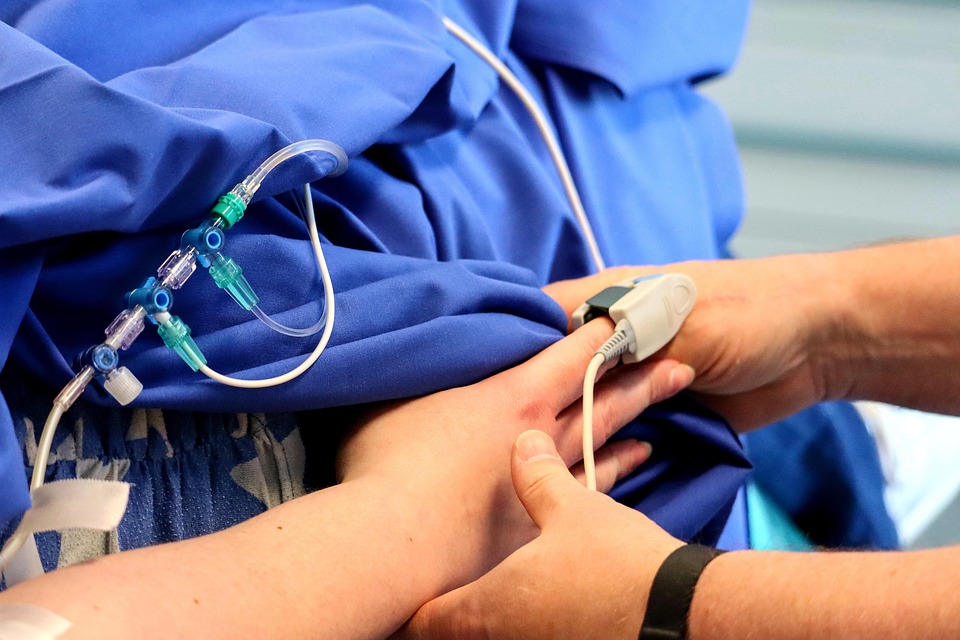
Once the device is prepared, initiate the monitoring process by turning it on and placing it on the fingertip. The device will emit light, which passes through the finger to measure oxygen saturation levels. Wait for the reading to stabilize, which usually takes a few seconds. A stable reading indicates that the device has accurately assessed the oxygen saturation level.
Record the readings consistently, noting the time and any physical conditions that may affect results, such as recent exercise or illness. This data can be invaluable for healthcare providers in understanding trends and making informed decisions about treatment or lifestyle changes.
If readings consistently fall below 90%, it is essential to seek medical advice promptly. Chronic low levels may indicate underlying health issues that require intervention. Regular monitoring can help identify patterns that may not be apparent during sporadic checks.
Pro Tip: Use a health app to log readings and share them with healthcare professionals for better insights.
User Experience and Engagement
For effective engagement, choose a pulse oximeter with user-friendly features. Look for devices with clear displays and audible alerts for abnormal readings. Some models offer Bluetooth connectivity, allowing data to be synced with smartphones for easier tracking and analysis.
Educate users on interpreting the readings. A reading of 95% or above is generally considered normal, while anything below 90% warrants immediate attention. Providing users with context about their readings can enhance their understanding and encourage proactive health management.
Incorporating reminders for regular checks can improve adherence to monitoring routines. Setting daily or weekly reminders can help ensure that users remain vigilant about their oxygen levels, especially those with chronic conditions.
Pro Tip: Consider devices that offer educational resources or customer support to enhance user understanding and engagement.
Configuration Risks in Oxygen Saturation Monitoring
Calibration Errors
Calibration errors can significantly impact the accuracy of SpO2 readings. A device that is not calibrated correctly may provide readings that are consistently higher or lower than the actual oxygen saturation levels. This can lead to misdiagnosis or inappropriate treatment decisions. Regular calibration checks are essential to ensure that the device remains accurate over time.
To mitigate calibration errors, follow the manufacturer’s guidelines for calibration frequency. Many devices recommend calibration every few months, but this can vary based on usage and environmental conditions. Keeping a log of calibration dates can help track when the device needs to be recalibrated, ensuring that it operates within its optimal parameters.
Users should also be aware of signs that a device may need recalibration, such as inconsistent readings or sudden changes in performance. If discrepancies are noted, recalibrating the device or consulting the manufacturer may be necessary to maintain accuracy.
Environmental Interference
Environmental factors can also introduce errors in SpO2 readings. Conditions such as extreme temperatures, high humidity, or bright ambient light can affect the performance of pulse oximeters. For example, cold fingers may lead to reduced blood flow, causing inaccurate low readings.
To minimize environmental interference, perform measurements in a controlled setting. Avoid using the device in extreme temperatures or direct sunlight. If possible, allow the individual to acclimate to room temperature before taking readings to ensure more accurate results.
Users should also be cautious of external factors, such as movement or excessive noise, which can distract from obtaining a stable reading. Encouraging individuals to remain still during the measurement can help improve accuracy.
Device Selection Mistakes
Choosing the wrong pulse oximeter can lead to inaccurate readings and poor user experience. Some devices may lack the necessary features for effective monitoring, such as continuous tracking or Bluetooth connectivity. This can limit the ability to collect and analyze data over time.
To avoid selection mistakes, research various models and their specifications before purchasing. Look for devices that have been validated for accuracy and reliability. Reading user reviews and consulting healthcare professionals can also provide insights into the best options available.
Consider the specific needs of the user when selecting a device. For example, individuals with darker skin tones may require pulse oximeters that are designed to provide accurate readings across various skin types. Ensuring that the chosen device meets these criteria can enhance the overall monitoring experience.
The Technical Architecture of SpO2 Measurement
Understanding the technical architecture behind SpO2 measurement involves several key protocols and specifications that ensure accuracy and reliability. The primary technology used is photoplethysmography, which detects changes in light absorption in the blood. This method relies on specific wavelengths of light, typically red and infrared, to differentiate between oxygenated and deoxygenated hemoglobin.
Another critical component is the use of the ISO 80601-2-61 standard, which outlines the requirements for pulse oximeters. This standard ensures that devices meet specific performance criteria, including accuracy, reliability, and safety. Compliance with this standard is essential for manufacturers to guarantee that their devices provide trustworthy data.
Additionally, the FDA regulates pulse oximeters under the 21 CFR Part 870, which governs medical devices. This regulation ensures that devices undergo rigorous testing and validation processes before they can be marketed. Adhering to these protocols not only enhances device reliability but also protects users from potential health risks associated with inaccurate readings.
For further details on medical device regulations, visit Wired.
Choosing the Right Solution for SpO2 Monitoring
-
Accuracy: Ensure the device meets industry standards for accuracy. Devices that are FDA-approved or comply with ISO standards are more likely to provide reliable readings.
-
User Interface: Select a device with an intuitive user interface. A clear display and easy-to-navigate features can enhance the user experience and encourage regular monitoring.
-
Additional Features: Consider devices that offer additional functionalities, such as Bluetooth connectivity or integration with health apps. These features can facilitate data tracking and sharing with healthcare providers.
Pros and Cons of SpO2 Monitoring
| The Benefits | Potential Downsides |
|---|---|
| Non-invasive and easy to use | Possible inaccuracies due to environmental factors |
| Real-time monitoring for proactive health management | Dependence on battery life and device maintenance |
| Accessible technology with various options available | Variability in device quality and reliability |
Tools for Effective Monitoring
Integrating pulse oximeters with health tracking apps can enhance monitoring capabilities. These tools allow users to log their readings, set reminders, and analyze trends over time.
Wearable devices that include SpO2 monitoring can provide continuous data, offering insights into oxygen saturation during daily activities. This real-time data can be invaluable for individuals with chronic conditions.
Telehealth platforms can facilitate remote consultations with healthcare providers, allowing for real-time sharing of SpO2 data. This integration can enhance patient care and ensure timely interventions when necessary.
Who Should Avoid This?
Individuals with certain skin conditions or those who have experienced severe trauma may find pulse oximeters less effective. Conditions that affect blood flow, such as peripheral artery disease, can lead to inaccurate readings.
People with specific medical devices, such as certain types of nail polish or artificial nails, may also experience interference with readings. Consulting a healthcare provider can help determine the best approach for monitoring oxygen saturation.
Those who are not comfortable using technology may find it challenging to engage with pulse oximeters effectively. In such cases, alternative monitoring methods may be more appropriate.
Common Questions
What is a normal SpO2 level?
A normal SpO2 level typically ranges from 95% to 100%. Levels below 90% are considered low and may require medical attention.
How often should I check my SpO2 levels?
For individuals with chronic conditions, checking SpO2 levels daily may be beneficial. For healthy individuals, monitoring can be done weekly or as needed.
Can SpO2 readings be affected by skin tone?
Yes, studies have shown that darker skin tones may affect the accuracy of pulse oximeters. It is essential to choose devices that are validated for use across various skin types.
The Bottom Line
Monitoring SpO2 levels is a vital aspect of health management, especially for individuals with respiratory or cardiovascular conditions.
- Understanding the technology behind SpO2 measurement enhances accuracy.
- Regular monitoring can lead to proactive health management.
- Choosing the right device is crucial for obtaining reliable readings.